
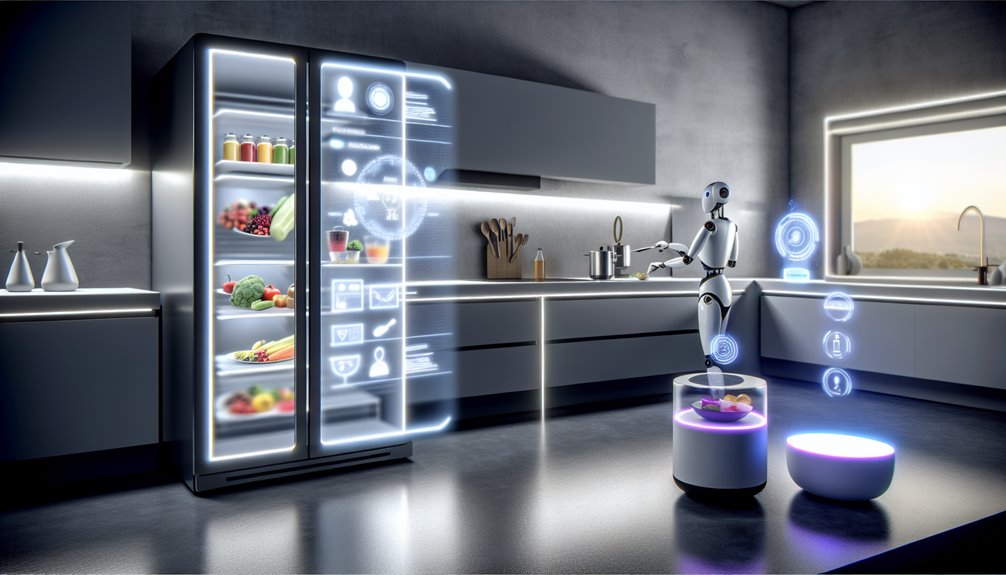
As we look towards 2025, smart devices are set to become integral to your everyday life. With AI advancements, these devices will anticipate your needs and streamline your routines. Imagine a home where everything is interconnected, making tasks easier and more efficient. Yet, with this convenience comes the question of privacy and dependency. How will you navigate this evolving landscape? The answer may shape your relationship with technology in the years ahead.
The Rise of Intelligent Assistants
As technology evolves, you’re likely noticing the increasing presence of intelligent assistants in your daily life.
These AI-powered tools, like Siri, Alexa, and Google Assistant, are designed to make your tasks easier and more efficient. You can ask questions, set reminders, or control your devices with just your voice.
With natural language processing, they understand your commands and respond in real time, making interactions feel more human. As they learn from your preferences, these assistants become even more personalized, anticipating your needs.
Imagine managing your schedule or getting cooking tips simply by speaking. The rise of intelligent assistants is reshaping how you interact with technology, bringing convenience and simplicity to your everyday routines.
Embracing these tools can enhance your productivity and Transforming Everyday Technology lifestyle.
Smart Home Ecosystems: A New Level of Connectivity
With the rapid advancement of technology, smart home ecosystems are transforming how you connect and interact with your living space.
Imagine controlling your lights, thermostat, and security system through a single app or voice command. These interconnected devices communicate seamlessly, allowing you to create customized routines that fit your lifestyle.
You can set your home to wake you up gently with soft lighting and your favorite music, or ensure your house is cozy when you arrive after a long day.
Enhanced security features, like smart cameras and locks, keep your home safe while giving you peace of mind.
Embracing this level of connectivity not only simplifies daily tasks but also elevates your overall living experience.

Personalized Experiences Through AI Integration
When you integrate AI into your smart home, you unlock a world of personalized experiences tailored just for you. Your devices learn your preferences, adapting to your routines and habits.
Imagine your thermostat adjusting the temperature based on your comfort levels or your smart speaker curating playlists that match your mood. AI-driven systems can analyze your daily patterns, suggesting optimal lighting and ambiance for every occasion.
Through voice commands, you can interact with your home effortlessly, making adjustments without lifting a finger. Even your kitchen can transform, with smart appliances recommending recipes based on ingredients you have.
The more you use these devices, the better they understand you, creating a seamless and enjoyable living space that feels uniquely yours.
Enhancing Efficiency in Daily Tasks
Smart devices can significantly streamline your daily tasks, making life easier and more efficient. With AI-powered assistants, you can set reminders, schedule appointments, and manage your to-do lists without lifting a finger.
Smart home systems allow you to control lighting, temperature, and appliances through voice commands or smartphone apps, saving you time and energy.
Imagine starting your day with a coffee machine that brews your favorite blend as soon as your alarm goes off. Smart refrigerators can track your groceries, suggesting recipes based on what you have.
These devices adapt to your habits, learning your preferences and anticipating your needs. By integrating these technologies, you can reclaim valuable time, allowing you to focus on what truly matters in your life.
Navigating Privacy and Dependency Concerns
Many users enjoy the convenience that smart devices bring, but it’s essential to consider the privacy and dependency issues that can arise.
As you rely more on these technologies, you may inadvertently share personal information, making you vulnerable to data breaches and misuse. It’s crucial to review privacy settings, manage permissions, and understand how your data is used.
Additionally, the convenience can lead to dependency, where you may find yourself unable to function without your device. Setting boundaries is vital—consider times when you disconnect and engage with your surroundings.
Balancing technology use with awareness of these concerns can help you enjoy the benefits while safeguarding your privacy and maintaining your independence.
Frequently Asked Questions
What Are Some Examples of Ai-Driven Smart Devices Available Today?
You’ll find AI-driven smart devices like voice assistants, smart thermostats, robotic vacuums, and security cameras. These gadgets learn your preferences, automate tasks, and enhance home security, making your daily life more convenient and efficient.
How Can I Ensure My Smart Devices Are Secure From Hacking?
You can ensure your smart devices are secure by regularly updating software, using strong, unique passwords, enabling two-factor authentication, and keeping your network secured with a reliable firewall. Don’t forget to monitor device activity regularly.
Are There Any Disadvantages to Using Smart Devices?
Yes, there are disadvantages to using smart devices. They can compromise privacy, increase vulnerability to hacking, and lead to over-reliance on technology. You should weigh these factors carefully before integrating them into your daily life.
What Is the Environmental Impact of Smart Device Production?
The environmental impact of smart device production includes resource depletion, energy consumption, and electronic waste. You’ll notice that manufacturing processes can contribute to pollution, while improper disposal exacerbates these issues, affecting ecosystems and human health.
How Will Smart Devices Evolve Beyond 2025?
You’ll see smart devices evolve with improved AI, enhancing personalization and efficiency. They’ll integrate seamlessly into daily life, adapting to your needs, while prioritizing sustainability and energy-saving features that reduce their environmental footprint.
Conclusion
As we step into 2025, smart devices will become indispensable companions in your daily life. They’ll anticipate your needs, streamline your routines, and enhance your home’s security and energy efficiency. Embrace these innovations, but remember to stay vigilant about privacy concerns. By finding a balance between convenience and security, you can enjoy the full benefits of AI-powered technology while maintaining control over your personal information. Your future with smart devices looks bright and promising!